As we age, the desire to remain in the comfort of our own homes often becomes paramount. Remodeling your home to accommodate changing needs can significantly enhance quality of life, making it essential to consider various factors that promote safety, comfort, and independence. Here’s a comprehensive guide on what to think about when planning a remodel for aging in place.
Health and Mobility
- Assessing Current and Future Needs
Before diving into renovations, it’s crucial to evaluate any current health conditions and anticipate future mobility challenges. Will you need a caregiver? Understanding these needs will guide your design choices.
- Accessibility Features
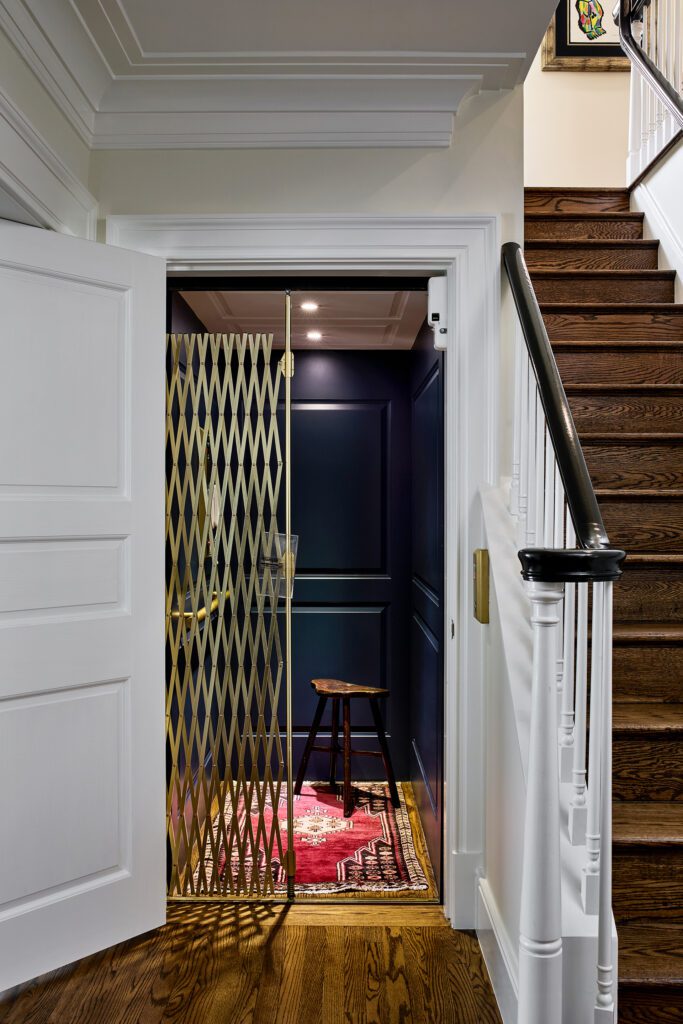
To ensure easy navigation, consider installing ramps, wider doorways, and no-step entries. If your home has multiple levels, stairlifts or even a home elevator may be worth the investment.
Bathroom Modifications
- Safety First
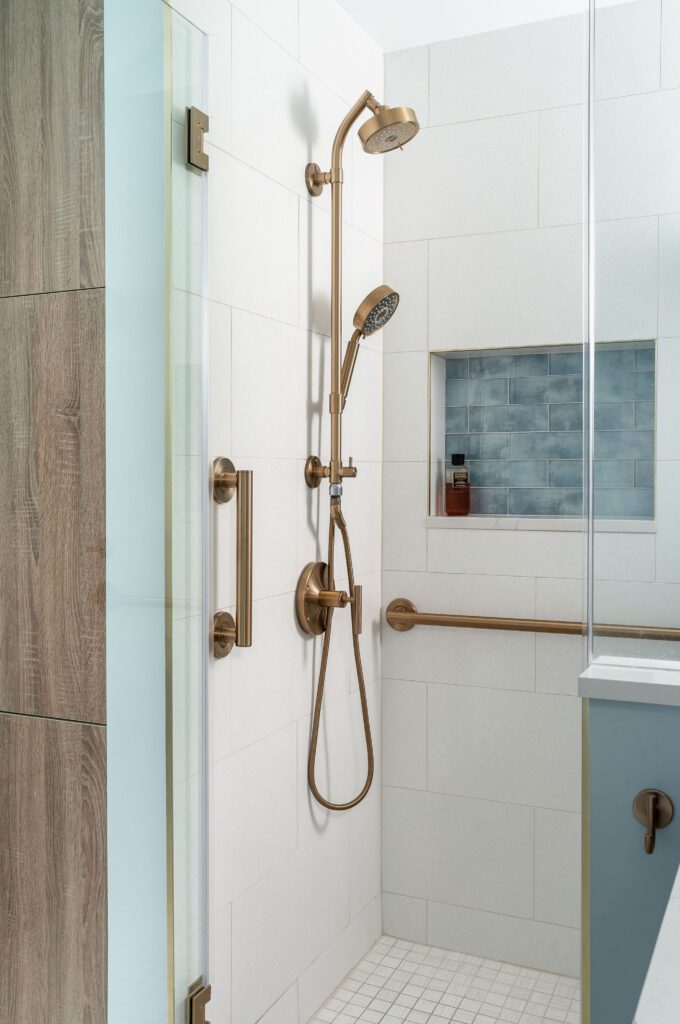
Bathrooms can be hazardous spaces. Enhance safety by installing grab bars in showers and near toilets. Opt for walk-in tubs or zero-threshold showers to minimize fall risks.
- Height Adjustments
Look for comfort-height toilets and adjustable-height sinks to make daily routines easier and more comfortable.
Kitchen Adaptations
- User-Friendly Designs
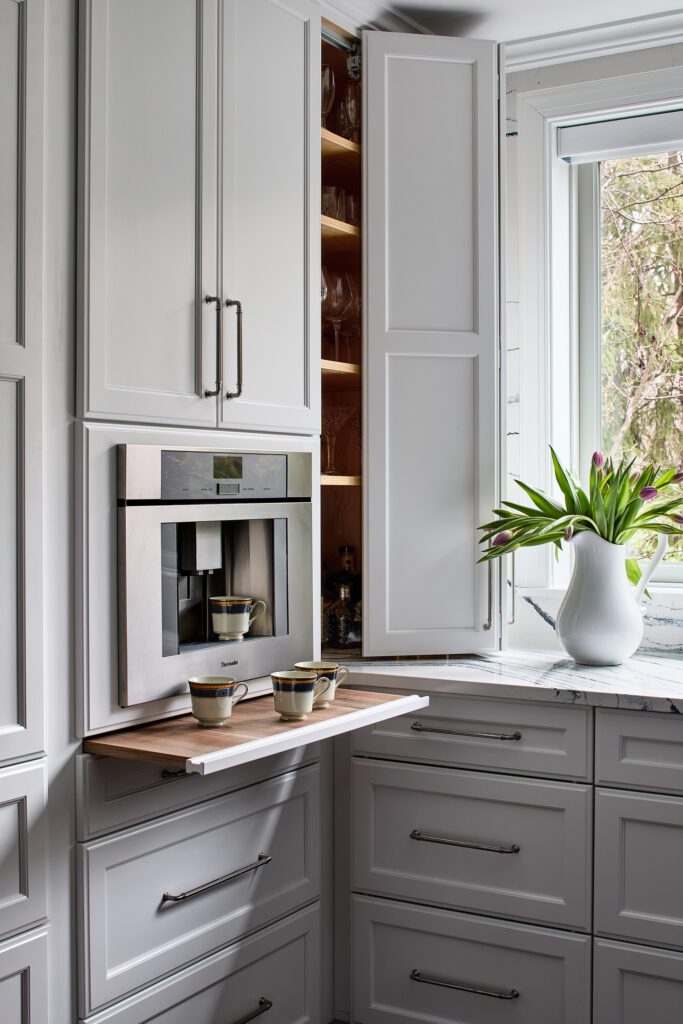
Kitchens should be functional and accessible. Incorporate pull-out shelves, lazy Susans, and lower countertops to facilitate cooking and meal prep.
- Non-Slip Flooring
Choose flooring materials that reduce the risk of slips and falls, and ensure adequate lighting is present to prevent accidents.
Living Spaces
- Open Concept Layouts
Consider an open floor plan that allows for easy movement between spaces, reducing the need to navigate through narrow hallways.
- Flexible Spaces
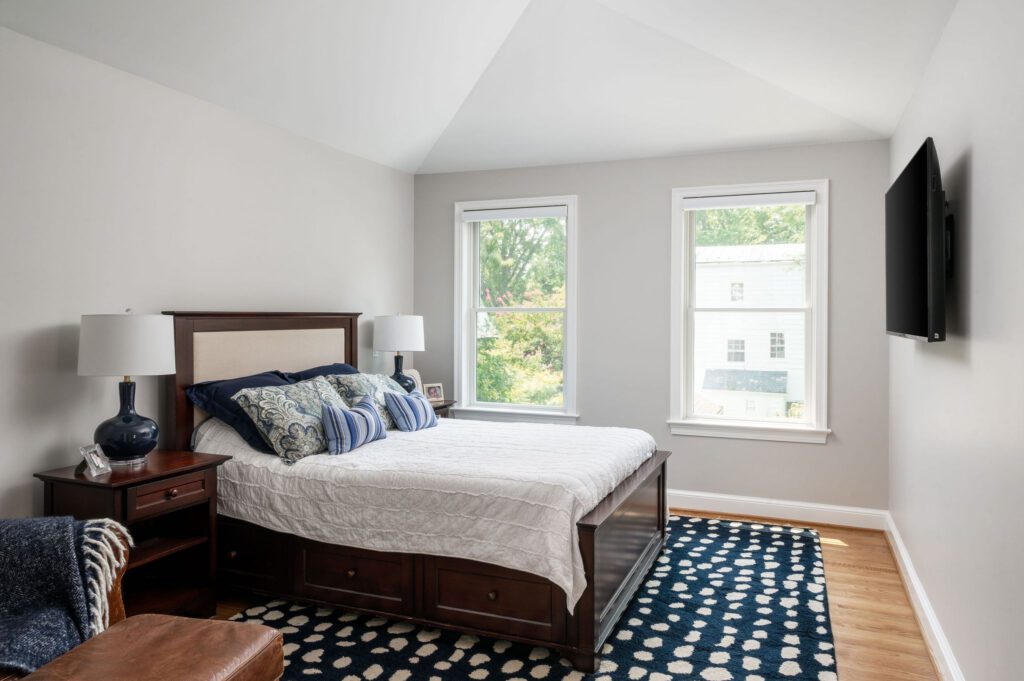
Design areas that can adapt to changing needs, such as a guest room that can easily accommodate a caregiver when necessary.
Adaptive Lighting
- Importance of Proper Lighting
Lighting plays a crucial role in creating a safe and comfortable environment, especially as we age. Poor lighting can lead to increased fall risks and hinder daily activities.
- Lutron’s Ketra Technology
Consider incorporating advanced lighting systems like Lutron’s Ketra. This adaptive lighting technology mimics natural daylight by adjusting color temperature and intensity throughout the day. Such systems can significantly improve visibility, making it easier to navigate spaces and complete tasks safely.
- Cognitive Benefits
Research shows that appropriate lighting can enhance cognitive functioning. By simulating natural light patterns, Ketra can help regulate circadian rhythms, improving sleep quality and alertness. For seniors, this can lead to better mood stability and increased cognitive clarity, reducing feelings of confusion or disorientation.
- Task and Night Lighting
Install bright, adjustable task lighting in critical areas like kitchens and bathrooms. Motion-sensor lights in hallways and staircases can also provide safety during nighttime navigation, ensuring a well-lit path.
Heating, Cooling, and Air Quality
- Temperature Control
Invest in a programmable thermostat to easily manage indoor temperatures.
- Air Quality Matters
High-quality air filters and ventilation systems can significantly improve indoor air quality, making a healthier living environment. Depending on your local climate, consider adding humidifiers or dehumidifiers.
Technology Integration
- Smart Home Devices
Explore home automation options for lighting, security, and temperature control that can be managed remotely, providing added convenience and safety.
- Emergency Response Systems
Personal emergency response systems (PERS) can offer peace of mind, ensuring immediate assistance if needed.
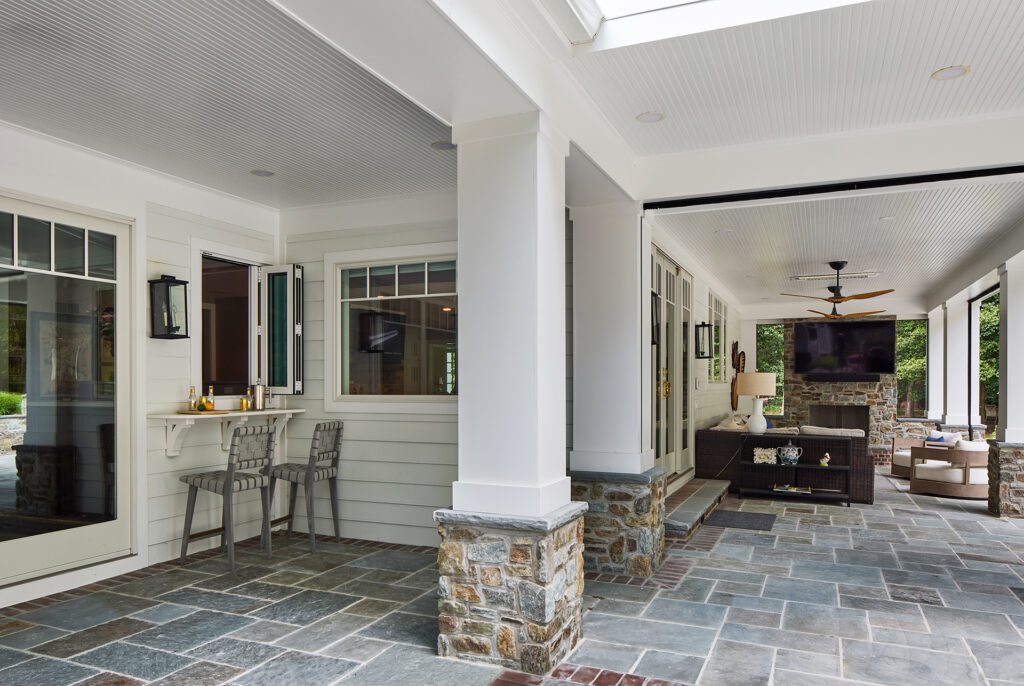
Outdoor Spaces
- Accessible Entrances
Ensure outdoor pathways are wide and well-maintained for easy navigation.
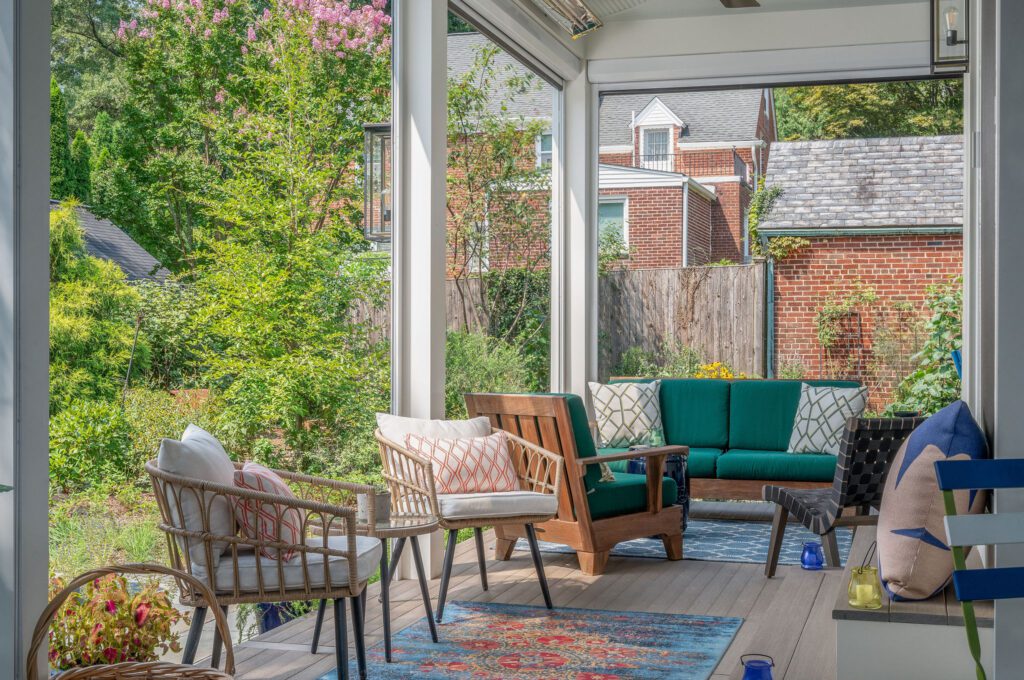
- Gardening and Relaxation
Design outdoor areas that encourage relaxation and low-maintenance gardening options, allowing you to enjoy the outdoors without excessive effort.
Financial Planning and Resources
- Budgeting for Modifications
Discuss potential costs with your contractor and explore financing options that can make your remodeling project feasible.
- Local Resources
Research grants or programs available in your area that assist with aging-in-place renovations, providing additional financial support.
Conclusion
Remodeling a home for aging in place is an investment in comfort, safety, and independence. By taking health, mobility, and environmental factors into account, you can create a living space that adapts to your needs over time. If you’re considering a remodel, reach out for a consultation to discuss how we can help you transform your home into a safe haven for years to come.